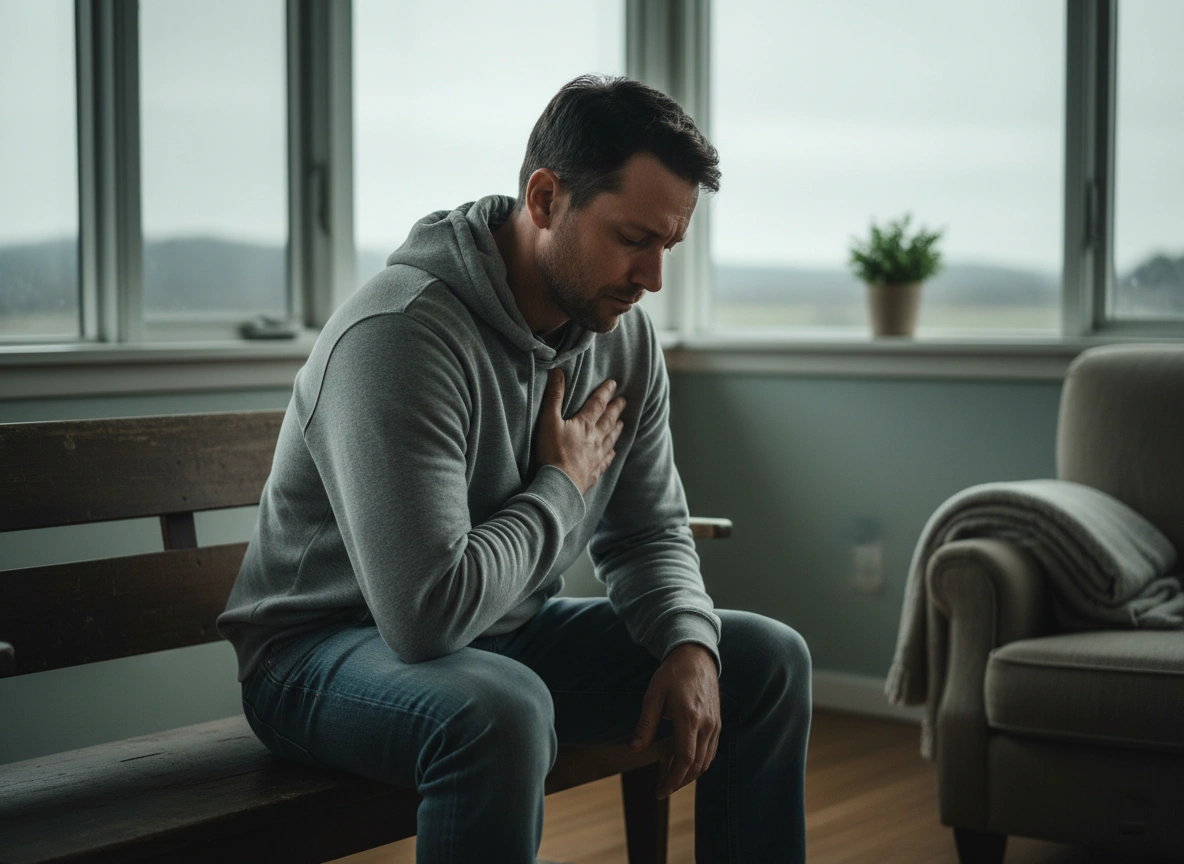
Detox is an important first step in addiction recovery, but it is not a complete solution. While detox helps the body safely eliminate drugs or alcohol, lasting recovery requires much more than physical stabilization. True healing involves addressing emotional pain, mental health challenges, behavioral patterns, and the daily struggles that often contribute to substance use. Effective drug rehab programs understand this reality and provide comprehensive, personalized care that supports long-term success.
For individuals and families searching for real answers, understanding what happens beyond detox can make all the difference when choosing a rehab program that truly works.
Why Detox Alone Is Not Enough
Detox focuses on managing withdrawal symptoms and helping the body recover physically from substance use. Although this stage is necessary, it does not address the underlying causes of addiction.
Many people return to substance use after detox because they have not yet developed the coping skills, emotional support, or mental health treatment needed for long-term recovery. Without continued care, old triggers and patterns can quickly return.
That is why effective rehab programs build on the detox process with therapy, structure, education, and ongoing support.
Personalized Treatment Creates Better Outcomes
One of the most important elements of successful rehab is individualized care. Addiction affects every person differently, so treatment should never follow a one-size-fits-all approach.
Comprehensive Assessments
Quality rehab programs begin with a full assessment of physical health, mental health, substance use history, family dynamics, and personal goals. This information helps clinicians create a treatment plan tailored to each individual’s needs.
Customized Therapy Plans
Personalized treatment may include:
- Individual counseling
- Group therapy
- Cognitive behavioral therapy
- Trauma-informed care
- Relapse prevention planning
- Medication management when appropriate
By adapting treatment to the individual, rehab programs can provide more meaningful and effective support.
Mental Health Treatment Is Essential
Addiction and mental health are closely connected. Many individuals struggling with substance use also experience anxiety, depression, PTSD, or unresolved trauma.
Dual Diagnosis Support
Effective rehab programs provide integrated treatment for co-occurring mental health conditions. This approach, often called dual diagnosis treatment, addresses both addiction and emotional wellbeing at the same time.
When mental health challenges go untreated, maintaining sobriety becomes much more difficult. Treating both conditions together improves stability, emotional resilience, and long-term recovery outcomes.
Inpatient and Outpatient Rehab Options
Every recovery journey requires a different level of care. Strong rehab programs offer both inpatient and outpatient treatment options to meet individuals where they are.
Inpatient Rehab for Intensive Support
Inpatient treatment provides a structured environment with 24-hour care and supervision. This setting helps individuals focus entirely on recovery without outside distractions or triggers.
Inpatient rehab is especially beneficial for those with severe addiction, repeated relapse, or complex mental health needs.
Outpatient Rehab for Continued Flexibility
Outpatient programs allow individuals to receive treatment while continuing to manage work, school, or family responsibilities. These programs provide therapy, support, and accountability while helping clients apply recovery skills in everyday life.
Outpatient care is also commonly used as a step-down level of support after inpatient treatment.
Holistic and Faith-Based Healing Approaches
Long-term recovery involves healing the mind, body, and spirit. Effective rehab programs often incorporate holistic and faith-based therapies alongside clinical treatment.
Holistic Therapies
Holistic approaches may include:
- Mindfulness and meditation
- Fitness and nutrition support
- Yoga and stress management
- Art or music therapy
These therapies help individuals manage stress, improve emotional balance, and reconnect with healthy routines.
Faith-Based Support
For individuals who value spirituality, faith-based care can provide comfort, purpose, and encouragement during recovery. Spiritual guidance often helps people rebuild hope and strengthen their commitment to long-term sobriety.
The Importance of Aftercare and Long-Term Support
Recovery continues long after formal treatment ends. One of the strongest indicators of long-term success is access to continued support.
Relapse Prevention and Aftercare Planning
Effective rehab programs help individuals prepare for life after treatment through:
- Ongoing counseling
- Support groups
- Alumni programs
- Sober living resources
- Relapse prevention education
These services provide accountability, connection, and practical tools for navigating real-world challenges.
Building a Foundation for Lasting Recovery
Lasting recovery requires more than detox alone. Effective drug rehab programs provide comprehensive care that addresses addiction, mental health, emotional healing, and personal growth. By combining individualized treatment, evidence-based therapy, holistic support, and long-term aftercare, these programs help individuals build a stable and meaningful life in recovery.
If you or someone you love is searching for a path forward, reaching out for professional support can be the beginning of real change. Compassionate, client-centered rehab programs are designed to guide individuals through every stage of healing. With the right care and support, lasting success is possible, and recovery can begin today.