Addiction can feel like an unending cycle of despair, not only for those struggling with substance use but also for their families. Finding a drug rehab program that truly delivers results can transform hopelessness into hope, providing a clear path toward lasting recovery. At Drug Rehab That Works, compassionate, individualized care is at the center of every program, combining evidence-based therapy, mental health support, and holistic approaches to meet the unique needs of each client.
Understanding What Makes a Program Effective
Evidence-Based Therapy
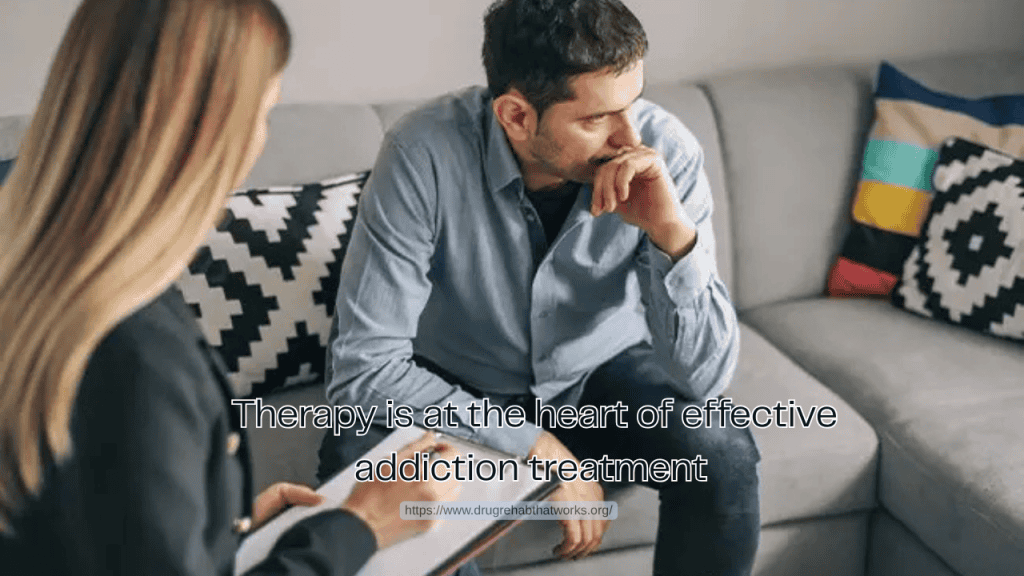
A program that produces real results relies on proven treatment methods. Cognitive Behavioral Therapy (CBT), motivational interviewing, and group therapy help clients identify triggers, change harmful patterns, and develop coping strategies. These therapies form the backbone of successful rehab programs because they target the underlying causes of addiction, not just the symptoms.
Personalized and Individualized Care
No two journeys to recovery are the same. Programs that conduct thorough assessments and create tailored treatment plans ensure that each client receives the right combination of therapies, counseling, and support. Individualized care increases engagement, promotes accountability, and improves long-term outcomes.
Integrating Mental Health Support
Addiction often co-occurs with mental health conditions such as anxiety, depression, or trauma. Programs that integrate mental health treatment alongside addiction care address these co-occurring disorders simultaneously, reducing the risk of relapse and supporting complete healing. Licensed therapists and medical professionals work together to provide a comprehensive approach that treats the whole person.
Holistic and Faith-Based Approaches
Healing the Mind and Body
Recovery is not just about eliminating substances—it is about restoring balance to the mind, body, and spirit. Holistic therapies like mindfulness, meditation, yoga, and nutrition counseling help clients manage stress, build resilience, and develop healthier lifestyles that support lasting sobriety.
Spiritual Support
For many, faith-based programs provide an additional layer of guidance and purpose. Spiritual approaches can foster hope, inner strength, and connection to a supportive community, which can be especially valuable during challenging phases of recovery.
Choosing Between Inpatient and Outpatient Programs
Inpatient care offers structured, 24-hour support, making it ideal for individuals requiring intensive treatment or supervision. Outpatient programs provide flexibility for clients who need to maintain work, school, or family responsibilities while attending therapy sessions. A program that offers both options demonstrates versatility and a commitment to meeting diverse client needs.
Evaluating Long-Term Support
Effective rehab programs plan for life beyond the initial treatment period. Aftercare services such as alumni groups, continued therapy, and relapse prevention planning are essential for maintaining recovery. Programs that prioritize long-term support help clients transition successfully into daily life while continuing to build skills and resilience.
Making an Informed Choice
When selecting a program, families should look for licensed staff, accredited facilities, evidence-based treatments, and comprehensive care that addresses mental, emotional, and spiritual needs. Visiting facilities, asking questions about therapy methods, and ensuring that the program aligns with personal values can help ensure the choice delivers real results.
Conclusion
Moving from despair to hope begins with finding a drug rehab program that truly works. By choosing a program that combines individualized care, evidence-based therapy, mental health integration, holistic and faith-based support, and long-term aftercare, clients gain the tools and confidence needed for lasting recovery.
If you or a loved one is struggling with addiction, reach out today to take the first step toward a healthier, purpose-driven life. Real results and true hope are possible with the right care.