From Despair to Hope: Finding Drug Rehab Programs That Deliver Real Results

Addiction can feel like an unending cycle of despair, not only for those struggling with substance use but also for their families. Finding a drug rehab program that truly delivers results can transform hopelessness into hope, providing a clear path toward lasting recovery. At Drug Rehab That Works, compassionate, individualized care is at the center of every program, combining evidence-based therapy, mental health support, and holistic approaches to meet the unique needs of each client.

Understanding What Makes a Program Effective

Evidence-Based Therapy

A program that produces real results relies on proven treatment methods. Cognitive Behavioral Therapy (CBT), motivational interviewing, and group therapy help clients identify triggers, change harmful patterns, and develop coping strategies. These therapies form the backbone of successful rehab programs because they target the underlying causes of addiction, not just the symptoms.

Personalized and Individualized Care

No two journeys to recovery are the same. Programs that conduct thorough assessments and create tailored treatment plans ensure that each client receives the right combination of therapies, counseling, and support. Individualized care increases engagement, promotes accountability, and improves long-term outcomes.

Integrating Mental Health Support

Addiction often co-occurs with mental health conditions such as anxiety, depression, or trauma. Programs that integrate mental health treatment alongside addiction care address these co-occurring disorders simultaneously, reducing the risk of relapse and supporting complete healing. Licensed therapists and medical professionals work together to provide a comprehensive approach that treats the whole person.

Holistic and Faith-Based Approaches

Healing the Mind and Body

Recovery is not just about eliminating substances—it is about restoring balance to the mind, body, and spirit. Holistic therapies like mindfulness, meditation, yoga, and nutrition counseling help clients manage stress, build resilience, and develop healthier lifestyles that support lasting sobriety.

Spiritual Support

For many, faith-based programs provide an additional layer of guidance and purpose. Spiritual approaches can foster hope, inner strength, and connection to a supportive community, which can be especially valuable during challenging phases of recovery.

Choosing Between Inpatient and Outpatient Programs

Inpatient care offers structured, 24-hour support, making it ideal for individuals requiring intensive treatment or supervision. Outpatient programs provide flexibility for clients who need to maintain work, school, or family responsibilities while attending therapy sessions. A program that offers both options demonstrates versatility and a commitment to meeting diverse client needs.

Evaluating Long-Term Support

Effective rehab programs plan for life beyond the initial treatment period. Aftercare services such as alumni groups, continued therapy, and relapse prevention planning are essential for maintaining recovery. Programs that prioritize long-term support help clients transition successfully into daily life while continuing to build skills and resilience.

Making an Informed Choice

When selecting a program, families should look for licensed staff, accredited facilities, evidence-based treatments, and comprehensive care that addresses mental, emotional, and spiritual needs. Visiting facilities, asking questions about therapy methods, and ensuring that the program aligns with personal values can help ensure the choice delivers real results.

Conclusion

Moving from despair to hope begins with finding a drug rehab program that truly works. By choosing a program that combines individualized care, evidence-based therapy, mental health integration, holistic and faith-based support, and long-term aftercare, clients gain the tools and confidence needed for lasting recovery.

If you or a loved one is struggling with addiction, reach out today to take the first step toward a healthier, purpose-driven life. Real results and true hope are possible with the right care.
How to Choose a Drug Rehab That Truly Works for You and Your Family

Choosing a drug rehab program is one of the most important decisions you can make for yourself or a loved one. With so many options available, it can feel overwhelming to know which program will provide real, lasting recovery. The right rehab goes beyond detox—it addresses the mind, body, and spirit, integrates mental health support, and offers personalized care designed to meet your unique needs. Understanding what to look for can help you make a choice that leads to sustainable healing and peace of mind for both you and your family.

Understanding Your Treatment Needs

Assessing the Severity and Type of Addiction

Not all programs are suitable for every individual. Factors like the type of substance used, the severity of addiction, and the presence of co-occurring mental health conditions influence the type of care needed. For example, someone struggling with long-term opioid addiction may benefit from medication-assisted treatment combined with therapy, while another individual may need an intensive inpatient program to address behavioral triggers.

Considering Family Involvement

Addiction affects the whole family. Programs that involve family therapy can repair relationships, improve communication, and create a strong support system for long-term recovery. When selecting a program, ask how family participation is integrated into the treatment plan.

Evaluating the Program’s Approach

Evidence-Based Therapies

Effective rehab programs use evidence-based therapies such as cognitive behavioral therapy (CBT), motivational interviewing, and group therapy. These approaches provide proven strategies for managing triggers, building coping skills, and supporting lasting recovery.

Holistic and Faith-Based Options

The best programs understand that recovery is more than stopping substance use. Holistic approaches, including yoga, meditation, nutrition counseling, and mindfulness practices, promote overall well-being. Faith-based programs provide spiritual support and can help clients find purpose and strength beyond treatment.

Mental Health Integration

Many individuals facing addiction also struggle with anxiety, depression, or trauma. Integrated treatment that addresses both addiction and mental health ensures that clients receive comprehensive care, reducing the risk of relapse and supporting sustainable recovery.

Practical Considerations

Location and Accessibility

Consider whether an inpatient or outpatient program is best suited to your lifestyle. Inpatient care offers intensive support in a structured environment, while outpatient programs allow clients to continue daily responsibilities while receiving therapy. Location can also influence family involvement and post-treatment support.

Accreditation and Professional Staff

Verify that the facility is accredited and staffed by licensed professionals. Accreditation ensures that the program meets high standards of care, while experienced therapists, medical personnel, and support staff are critical to delivering effective treatment.

Aftercare and Long-Term Support

Recovery is a lifelong process. Programs that offer aftercare planning, alumni support, and relapse prevention strategies equip clients and families to maintain sobriety beyond the initial treatment period.

Making the Right Choice

When selecting a program, create a checklist of your priorities, such as treatment approach, family involvement, mental health integration, and program length. Visit facilities if possible, ask questions about therapy methods, staff credentials, and aftercare services, and trust your instincts about the program’s culture and compassion.

Conclusion

Choosing a drug rehab that truly works is about more than location or amenities—it is about finding a program that addresses the full spectrum of needs for you and your family. By focusing on evidence-based therapy, holistic care, mental health integration, and long-term support, you increase the chances of achieving lasting recovery.

If you or a loved one is ready to take the next step, reach out today to find a program that offers compassionate, personalized care designed to help you build a healthier, addiction-free future.

Finding Drug Rehab That Works: What to Look for in a Proven Recovery Program

Choosing a drug rehab program is one of the most important decisions you or a loved one can make. With so many options available, it can feel overwhelming—but the right program can make all the difference in achieving lasting recovery. At Drug Rehab That Works, we believe in compassionate, individualized care that goes beyond simply stopping substance use. In this article, we’ll walk you through the key features of a recovery program that truly works, helping you feel confident about your choice and hopeful about the future.

The Foundation of Effective Treatment

Inpatient vs. Outpatient Care

A trustworthy program offers both inpatient and outpatient options to meet different needs. Inpatient care provides a structured, 24-hour environment for those whose addiction or mental health issues require intensive support. Outpatient care allows individuals to remain at home while participating in therapy and support sessions. Programs that offer both show a commitment to flexibility and long-term care.

Dual Focus on Addiction and Mental Health

Addiction often does not exist alone. Many people also struggle with depression, anxiety, trauma or other mental health conditions. According to the Mayo Clinic, ongoing treatment and support are important to prevent relapse when mental health disorders co-occur. Mayo Clinic A program that treats both substance use and mental health simultaneously demonstrates a deep understanding of whole-person care.

Key Elements of a Proven Recovery Program

Personalized, Individualized Treatment

One size does not fit all. A program that starts with a thorough assessment and builds a treatment plan tailored to your history, goals, and life situation is a program worth choosing. Individualized care means your therapists and counselors listen, understand your background, and adjust the approach as you make progress.

Holistic and Faith-Based Approaches

Healing the body, mind, and spirit produces stronger results. Look for programs that incorporate holistic options like yoga, meditation, nutrition counseling, or faith-based support. These approaches offer tools to restore balance and build resilience—not just stop substance use.

Evidence-Based Therapies and Skilled Staff

Effective programs rely on evidence-based therapies such as cognitive behavioral therapy (CBT), motivational interviewing, and group work. They also employ licensed professionals—therapists, psychologists, psychiatrists—who understand the complexities of addiction and mental health. This level of professionalism is critical in a program that truly “works.”

What to Ask and Verify

Accreditation and Transparency

Ensure the facility is accredited by recognized bodies and operates with transparency about treatment methods, staff credentials, and outcomes. Accreditation indicates that standards of care are met and maintained.

Aftercare and Long-Term Support

Recovery does not end when the initial program ends. A reliable program offers aftercare: alumni support, outpatient therapy, relapse prevention planning, and safe transitions back into daily life. Without this, even the strongest progress during treatment can slip away.

Safe Environment and Supportive Culture

Ask about staff-to-client ratios, medical support available, and how the program handles co-occurring disorders. A safe, supportive environment helps you focus on healing instead of worry. The culture should reflect empathy, respect, and client-centered care.

Making the Right Choice for You

Start by listing your priorities: level of care needed (inpatient or outpatient), whether you require mental health support, your desired approach (holistic, faith-based), and practical concerns like location, cost, and insurance. Then match those to programs that meet the criteria above. Visiting the facility, speaking with staff, and asking direct questions will give insight into whether the program truly aligns with your values and needs.

Conclusion

Finding drug rehab that works means choosing more than a program—it means choosing a path that heals every aspect of your life. By prioritizing personalized care, mental health integration, holistic support, transparency, and long-term aftercare, you set the stage for lasting recovery, not just short-term relief.

If you or someone you love is ready to take that step, reach out today to start a conversation. Compassionate help and proven care are available—and you do not have to walk this journey alone.

From Detox to Deep Recovery: How Therapy Creates Lasting Change in Addiction Care

Detox is an important first step in breaking free from addiction, but it is only the beginning of a lifelong journey toward healing. While detox helps clear the body of harmful substances, true recovery happens when a person begins to heal emotionally, mentally, and spiritually. Therapy bridges the gap between physical stabilization and lasting transformation, giving individuals the tools they need to build a life rooted in clarity, purpose, and resilience.

At Drug Rehab That Works, therapy plays a central role in helping clients not only overcome addiction but also discover who they are beyond it.

Why Detox Alone Is Not Enough

Detoxification focuses on the physical side of addiction. It helps the body rid itself of substances and manage withdrawal symptoms safely under medical supervision. While detox is necessary, it does not address the psychological and emotional struggles that often drive addiction in the first place.

Without therapy, the underlying causes of substance use—such as trauma, anxiety, depression, or grief—remain unaddressed. This is why many people who complete detox alone find themselves at risk of relapse. True recovery requires understanding the “why” behind the addiction, not just eliminating the substance.

The Transformative Power of Therapy

Understanding the Root Causes

Therapy helps individuals uncover the deeper emotional wounds and behavioral patterns that fuel addiction. Through evidence-based approaches like Cognitive Behavioral Therapy (CBT) and Dialectical Behavior Therapy (DBT), clients learn to identify destructive thoughts, challenge them, and replace them with healthier coping strategies.

By addressing these root causes, therapy builds a foundation for sustainable change rather than temporary relief.

Rebuilding Emotional Strength

Addiction often leaves individuals feeling disconnected, ashamed, or powerless. Therapy restores emotional balance and self-worth by helping clients process past experiences and develop confidence in their ability to handle life’s challenges.

With consistent therapeutic support, individuals begin to recognize that they are capable of recovery and deserving of healing.

Building Healthy Relationships

Substance use can damage trust and communication within families and friendships. Family and group therapy help mend these relationships by promoting understanding, forgiveness, and accountability. Rebuilding this support system is vital for maintaining long-term sobriety and emotional well-being.

Integrating Holistic and Faith-Based Approaches

At Drug Rehab That Works, therapy is often complemented by holistic and faith-based practices that treat the whole person—mind, body, and spirit. Activities like mindfulness meditation, art therapy, yoga, and prayer help clients reconnect with inner peace and purpose.

For those who seek a faith-centered path, spiritual therapy reinforces hope and direction, helping individuals see recovery not just as freedom from addiction but as renewal of the soul.

Individualized Care for Every Journey

No two recovery journeys are the same. That is why effective addiction care must be personalized. Whether a person chooses inpatient care for immersive healing or outpatient treatment for ongoing flexibility, the best programs are those that integrate therapy at every stage.

Therapists work closely with each client to design a treatment plan that aligns with their personal history, mental health needs, and life goals. This individualized attention ensures that every step in recovery is meaningful and sustainable.

From Healing to Lasting Transformation

Therapy does more than help people stop using substances—it helps them create a new way of living. By addressing mental health, improving emotional regulation, and rebuilding relationships, therapy equips individuals to thrive long after treatment ends.

When combined with holistic care, therapy empowers clients to move beyond survival and embrace a fulfilling, purpose-driven life.

Take the Next Step Toward Lasting Recovery

Detox may cleanse the body, but therapy heals the heart and mind. If you or a loved one is ready to move beyond short-term relief and build a foundation for lasting change, the team at Drug Rehab That Works is here to help.

Through compassionate, individualized, and holistic care, recovery becomes more than a goal—it becomes a new beginning. Reach out today and take the next step toward deep, lasting healing.

Addressing the Root Causes: The Importance of Therapy in Drug Addiction Treatment

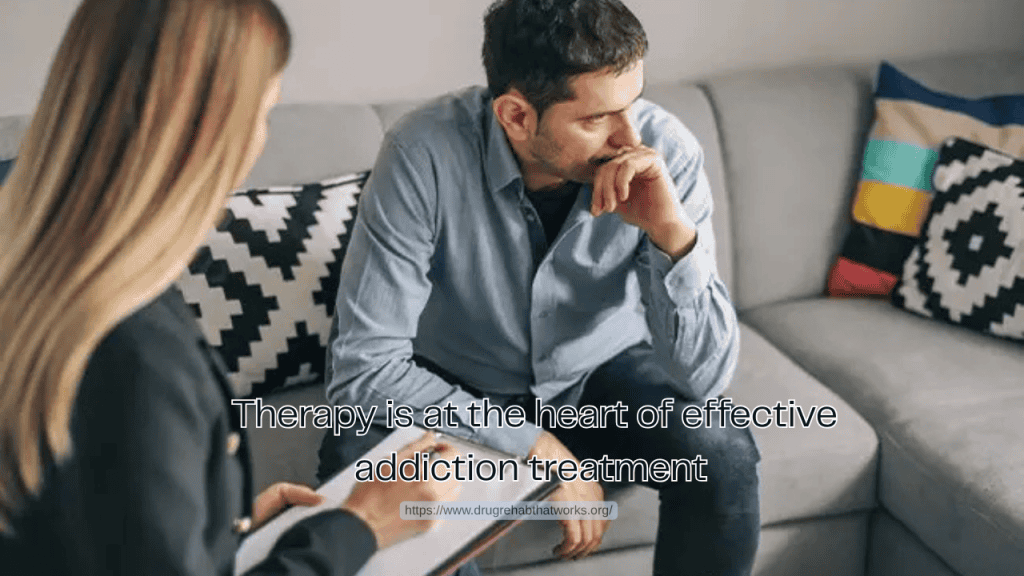
Recovery from drug addiction is about more than simply quitting substances. While detox is an essential first step, true healing happens when the underlying causes of addiction are understood and addressed. Therapy is at the heart of effective addiction treatment because it helps individuals uncover emotional wounds, mental health challenges, and behavioral patterns that drive substance use. Without addressing these deeper issues, recovery remains fragile.

Why Detox Alone Is Not Enough

Detoxification helps the body eliminate drugs and manage withdrawal symptoms, but it does not resolve the psychological and emotional roots of addiction. Many individuals relapse after detox because the same triggers, stressors, and unresolved pain still exist. To achieve lasting recovery, a person must do more than stop using substances—they must understand why they used them in the first place. That is where therapy becomes essential.

The Power of Therapy in Addiction Treatment

Individual Therapy: Understanding the Self

Individual counseling allows clients to work one-on-one with a licensed therapist to explore personal struggles in a private setting. Techniques such as Cognitive Behavioral Therapy (CBT) help individuals recognize negative thinking patterns and develop healthier ways to respond to stress and cravings. This process builds self-awareness and emotional resilience, two crucial elements of long-term recovery.

Group Therapy: Building Connection and Support

Addiction often leads to isolation, but group therapy reminds individuals that they are not alone. Sharing experiences with others who understand fosters community, accountability, and hope. In a safe group environment, participants learn from each other’s challenges and successes, strengthening their commitment to recovery.

Family Therapy: Healing Relationships

Addiction affects not only the individual but also the entire family. Family therapy helps rebuild trust, improve communication, and educate loved ones about the recovery process. When families heal together, they become a vital source of strength and stability throughout treatment and beyond.

Treating Co-Occurring Mental Health Conditions

Addiction and mental health often go hand in hand. Many people struggling with substance use also experience depression, anxiety, trauma, or other mental health disorders. Ignoring these conditions can make recovery harder to maintain. Integrated treatment that addresses both addiction and mental health ensures that the whole person is being treated, not just the symptoms of substance use.

The Role of Holistic and Faith-Based Therapies

Healing from addiction requires nurturing the mind, body, and spirit. Holistic approaches such as mindfulness, meditation, and yoga help reduce stress and promote inner balance. For those who value spirituality, faith-based therapy offers hope, purpose, and a sense of belonging that can strengthen recovery. When combined with evidence-based therapy, these approaches support lasting transformation.

Inpatient and Outpatient Options for Comprehensive Care

Effective treatment programs recognize that every person’s path to recovery is unique. Inpatient rehab offers 24-hour care and structure for those who need intensive support, while outpatient programs allow individuals to continue working or caring for family while receiving ongoing therapy. Both options can be successful when therapy is a core part of the treatment plan.

Healing from the Inside Out

Drug addiction recovery is not just about breaking free from substances—it is about healing from the inside out. By addressing the root causes through therapy, individuals can uncover the emotional and psychological patterns that keep them stuck and build the tools they need for a fulfilling, substance-free life.

If you or someone you love is struggling with addiction, now is the time to seek help. A program that combines therapy, holistic healing, and personalized care can guide you toward true recovery and lasting freedom.

Mind Over Matter: The Psychological Side of Recovery and Why Detox Alone Isn’t Enough

Detox is often seen as the biggest hurdle in addiction recovery, but in reality, it is only the beginning. While clearing substances from the body is necessary for stabilization, detox alone does not resolve the deeper psychological, emotional, and behavioral patterns that fuel addiction. Long-term recovery depends on addressing the mind as much as the body, which is why therapy and mental health treatment are essential for lasting sobriety.

Why Detox Alone Falls Short

Detox provides immediate relief by eliminating drugs or alcohol from the system, but it does not answer the question of why someone turned to substances in the first place. Without therapy, unresolved trauma, stress, depression, or anxiety can resurface, often leading to relapse. Addiction is a complex condition that affects thought processes, emotions, and behaviors, making psychological care just as important as physical stabilization.

The Role of Therapy in Addiction Recovery

Individual Therapy

One-on-one sessions provide a safe space to explore personal struggles, triggers, and past experiences. Cognitive Behavioral Therapy (CBT), for example, helps individuals identify destructive thought patterns and replace them with healthier ways of thinking and coping. This process strengthens resilience and reduces the likelihood of relapse.

Group Therapy

Addiction often thrives in isolation, but recovery flourishes in community. Group therapy fosters connection, accountability, and encouragement from others facing similar challenges. The shared support reduces shame and builds confidence in long-term recovery.

Family Therapy

Substance use does not only affect the individual but also impacts the family unit. Family therapy repairs strained relationships, improves communication, and provides loved ones with the tools to support recovery in healthy ways. A strong family foundation often plays a critical role in sustained sobriety.

Addressing Mental Health for Lasting Change

Many individuals battling addiction also live with co-occurring mental health disorders such as anxiety, depression, or post-traumatic stress disorder. Ignoring these conditions creates an unstable foundation for recovery. Integrated treatment that addresses both addiction and mental health ensures that all aspects of a person’s well-being are supported.

The Value of Holistic and Faith-Based Approaches

Healing the mind goes hand in hand with nurturing the body and spirit. Holistic practices such as mindfulness, meditation, yoga, and nutrition counseling help reduce stress and promote emotional balance. For those who desire spiritual guidance, faith-based approaches provide an additional layer of hope, purpose, and strength. These complementary practices reinforce therapeutic work and empower individuals to reclaim their lives.

Inpatient and Outpatient Options That Include Therapy

Effective treatment programs recognize that recovery is not one-size-fits-all. Inpatient care offers 24/7 support for individuals who need a structured environment, while outpatient programs provide flexibility for those balancing recovery with work or family responsibilities. Both models are most effective when therapy remains at the center of the treatment plan.

Healing Beyond Detox

Detox may be the first step toward recovery, but true healing requires addressing the psychological side of addiction. Therapy helps individuals uncover root causes, develop healthier coping strategies, and build strong foundations for a sober life. Programs that combine medical care, mental health treatment, holistic support, and individualized therapy create the best path to lasting sobriety.

If you or a loved one is seeking more than detox, now is the time to act. Reach out today to find a treatment program that prioritizes healing the mind, body, and spirit for true and lasting recovery.

Why Therapy Matters: Selecting Drug Treatment Programs That Go Beyond Detoxification

Detoxification is often the first milestone on the road to recovery, but it is only a starting point. While detox helps the body eliminate harmful substances, it does not address the root causes of addiction or provide the coping skills needed to sustain sobriety. That is why therapy is such a vital part of effective treatment. Selecting a drug rehab program that goes beyond detox and prioritizes therapy can make the difference between temporary relief and lifelong recovery.

Detox Is Only the Beginning

The physical process of detox is important because it stabilizes the body and manages withdrawal symptoms. However, addiction is not only a physical condition. It is also an emotional, psychological, and often spiritual struggle. Without therapy, individuals are left vulnerable to relapse because the underlying triggers and unresolved pain remain unaddressed. Comprehensive treatment recognizes that healing the whole person is essential for long-term success.

The Role of Therapy in Drug Treatment

Individual Therapy

Personalized one-on-one sessions give individuals the chance to explore their unique challenges and experiences. Therapists often use evidence-based methods such as Cognitive Behavioral Therapy (CBT) to identify negative thinking patterns and replace them with healthier perspectives. This process builds self-awareness and resilience.

Group Therapy

Addiction can create isolation, but group therapy fosters connection. In a supportive setting, individuals share their stories, learn from one another, and build accountability. This sense of community reminds clients that they are not alone and that recovery is possible.

Family Therapy

Addiction affects loved ones as much as it does the individual. Family therapy helps repair broken trust, improve communication, and create healthier dynamics. When families heal together, they become a stronger support system for long-term recovery.

Addressing Mental Health Alongside Addiction

Many people struggling with substance use also face co-occurring mental health conditions such as depression, anxiety, or trauma. Ignoring these challenges often leads to relapse. The most effective drug treatment programs integrate mental health care with addiction treatment. This dual approach ensures that both issues are addressed simultaneously, strengthening recovery outcomes.

Holistic and Faith-Based Support

Recovery is not just about overcoming addiction. It is about rediscovering balance and purpose in life. Holistic therapies such as yoga, mindfulness, and meditation support emotional well-being, while faith-based approaches provide spiritual grounding for those who value it. By addressing mind, body, and spirit, these methods complement therapy and create a more complete path to healing.

Inpatient and Outpatient Options

The best rehab programs offer flexibility to meet individual needs. Inpatient treatment provides structured care in a safe environment, ideal for those needing 24-hour support. Outpatient care allows clients to continue working or caring for family while receiving therapy and guidance. Both options, when combined with strong therapeutic support, can be highly effective.

Choosing a Program That Goes Beyond Detox

When evaluating treatment options, it is important to look for programs that emphasize therapy, mental health care, and holistic healing. A center that provides accredited services, licensed professionals, and a commitment to individualized care is more likely to deliver lasting results. Aftercare planning, including alumni programs and sober living options, is also key to maintaining progress after leaving treatment.

Building a Life of Lasting Recovery

Detox may start the recovery process, but therapy is what sustains it. By selecting a treatment program that goes beyond detoxification, individuals gain the tools, support, and healing necessary to break free from addiction. With the right combination of therapy, mental health care, and holistic support, recovery becomes more than just an end to substance use. It becomes a new way of living.

If you or someone you love is ready to begin this journey, reach out today. The right program can help you move beyond detox and build a foundation for lasting freedom and wellness.

Breaking the Cycle: How Therapy Supports Long-Term Sobriety After Detox

Detox is an important first step in addiction recovery, but it is only the beginning. Once the body is cleared of substances, the real challenge begins: learning how to live free from drugs or alcohol day after day. Many people relapse when treatment stops at detox because the underlying emotional pain, mental health struggles, and life challenges remain unresolved. This is why therapy is vital. Therapy gives individuals the tools, support, and healing they need to not just achieve sobriety but to maintain it for the long term.

Why Sobriety Requires More Than Detox

Detox helps stabilize the body, but it does not address the reasons why someone began using substances in the first place. Addiction is often fueled by trauma, stress, anxiety, depression, or unhealthy coping patterns. Without addressing these deeper issues, sobriety can feel fragile. Therapy allows individuals to break free from old cycles by tackling the root causes of addiction and equipping them with healthier ways to face life’s challenges.

The Role of Therapy in Long-Term Recovery

Individual Therapy

One-on-one sessions create a safe and confidential space to explore personal struggles. Approaches such as Cognitive Behavioral Therapy (CBT) and Motivational Interviewing (MI) help individuals understand their triggers, challenge negative thought patterns, and build confidence in their recovery.

Group Therapy

Addiction often isolates people, but group therapy restores connection. Sharing stories, offering encouragement, and learning from others in recovery fosters accountability and community support. These bonds are often a critical source of strength long after detox.

Family Therapy

Sobriety affects the entire family system. Family therapy helps rebuild trust, repair communication, and provide loved ones with tools to support recovery. When families heal together, the chances of long-term sobriety increase.

Integrating Mental Health and Addiction Treatment

Many individuals living with addiction also face co-occurring disorders such as depression, anxiety, or post-traumatic stress. Ignoring these conditions increases the risk of relapse. A quality treatment program integrates mental health care with addiction therapy, ensuring that both are addressed simultaneously. This comprehensive approach supports lasting stability and personal growth.

Holistic and Faith-Based Approaches

Healing is not only about the mind. The body and spirit must also be cared for. Holistic practices such as mindfulness, yoga, and meditation reduce stress and strengthen emotional resilience. For those who desire it, faith-based therapy adds another layer of hope and guidance, helping individuals anchor their recovery in spiritual strength. Together, these approaches create a balanced path to lasting sobriety.

Building a Foundation for the Future

Sobriety is not a one-time achievement but a lifelong journey. Programs that emphasize aftercare—such as ongoing counseling, alumni support groups, and sober living options—help individuals stay grounded. These resources extend the benefits of therapy well beyond detox, ensuring clients are supported as they return to daily life.Breaking Free and Moving Forward

Detox may open the door to recovery, but therapy is what keeps that door open. By addressing the emotional, mental, and spiritual aspects of addiction, therapy equips individuals with the tools to break the cycle of relapse and build a new life.

If you or a loved one is seeking more than detox, now is the time to act. A therapy-centered program can provide the care, guidance, and community needed to achieve lasting sobriety. Reach out today to take the next step toward true healing and freedom.

Detox Is Just the Beginning: Finding Addiction Treatment That Heals the Whole Person

Detox is often the first step in addiction recovery, but it is far from the last. Clearing harmful substances from the body is essential for stabilization, yet detox alone does not address the deeper issues that drive addiction. True recovery requires a treatment plan that heals the whole person: body, mind, and spirit. Choosing an addiction program that goes beyond detox ensures lasting change, helping individuals rebuild their lives with strength, clarity, and purpose.

Why Detox Alone Is Not Enough

Detox helps manage withdrawal symptoms and restores physical balance, but it does not resolve the underlying reasons why a person turned to drugs or alcohol in the first place. Without therapy, support, and guidance, relapse becomes more likely. Addiction is not only a physical condition but also an emotional, mental, and spiritual struggle. Comprehensive treatment must focus on the individual as a whole to promote long-term recovery.

The Role of Therapy in Recovery

Individual and Group Counseling

Therapy provides the tools to explore the roots of addiction, such as trauma, stress, or mental health disorders. In one-on-one counseling, clients gain insight into destructive thought patterns and learn healthier ways to cope. Group therapy complements this by offering encouragement, accountability, and connection to others on a similar journey.

Family Therapy

Addiction affects more than the individual. Family therapy helps restore trust and improves communication between loved ones. It creates an environment where families can heal together and learn how to support recovery without enabling destructive behaviors.

Treating Co-Occurring Mental Health Conditions

Many people who struggle with addiction also face mental health challenges such as depression, anxiety, or post-traumatic stress disorder. A treatment program that integrates mental health care with addiction services ensures that both conditions are treated simultaneously. Ignoring mental health concerns often undermines recovery, while addressing them strengthens it.

Holistic and Faith-Based Approaches

Healing is not only clinical. Holistic and faith-based programs provide a pathway to deeper recovery by nurturing the mind and spirit. Practices such as mindfulness, yoga, meditation, and prayer help individuals reconnect with themselves and find peace. These approaches, when combined with evidence-based therapy, create a balanced and personalized path to wellness.

Inpatient and Outpatient Options

The right level of care depends on the individual’s needs. Inpatient rehab provides 24/7 structure and support, ideal for those facing severe addiction or unsafe environments at home. Outpatient care allows clients to continue working or caring for family while receiving ongoing treatment. A program that offers both ensures flexibility and continuity of care.

Building a Foundation for Lasting Recovery

True healing requires long-term support. Quality programs offer aftercare services such as sober living arrangements, alumni groups, and ongoing counseling. These resources help individuals stay grounded and connected, reducing the risk of relapse and promoting lifelong recovery.

Moving Beyond Detox to Whole-Person Healing

Detox may begin the journey, but lasting recovery comes from a program that addresses the physical, emotional, and spiritual aspects of addiction. By choosing a treatment center that provides individualized care, therapy, mental health support, and holistic healing, individuals can move from simply surviving detox to thriving in long-term wellness.

If you or someone you love is struggling with addiction, now is the time to take action. Reach out today to find a program that goes beyond detox and offers the full support needed for true, lasting recovery.

From Withdrawal to Wellness: Choosing a Program That Focuses on Therapy

Overcoming addiction begins with courage, but lasting recovery requires more than simply detoxing from drugs or alcohol. While detox is an important first step, it only addresses the physical side of dependence. To truly move from withdrawal to wellness, individuals need comprehensive therapy that heals the mind, body, and spirit. Choosing a program that prioritizes therapy ensures long-term success by helping people uncover the root causes of addiction and build the tools necessary for a healthier future.

Why Therapy Matters Beyond Detox

Detox provides physical stabilization, but without therapy, many individuals relapse because the underlying emotional pain and mental health challenges remain unaddressed. Addiction is often intertwined with trauma, stress, anxiety, or depression. Therapy creates a safe and supportive environment where clients can process these struggles, learn coping strategies, and begin reshaping their lives.

Types of Therapy That Support Lasting Recovery

Individual Counseling

One-on-one sessions with a licensed therapist allow individuals to work through personal challenges in a private setting. Evidence-based approaches such as Cognitive Behavioral Therapy (CBT) help identify negative thought patterns and replace them with healthier perspectives.

Group Therapy

Addiction can be an isolating experience, but group therapy reminds individuals they are not alone. Sharing experiences and hearing from peers creates connection, accountability, and encouragement that strengthen the recovery journey.

Family Therapy

Because addiction impacts the entire family system, family therapy helps restore trust and rebuild communication. These sessions empower loved ones with tools to support recovery while also addressing their own emotional needs.

Holistic and Faith-Based Therapy

Healing the whole person requires more than clinical approaches. Many rehab programs incorporate faith-based counseling, mindfulness practices, yoga, and other holistic methods that promote emotional and spiritual wellness. This balance helps clients strengthen both inner peace and resilience.

Integrating Mental Health and Addiction Treatment

For individuals with co-occurring mental health disorders, therapy is not optional, it is essential. Depression, anxiety, and trauma often fuel substance use, and ignoring these conditions can undermine progress. A quality rehab program integrates mental health treatment alongside addiction services to provide complete care.

What to Look for in a Therapy-Focused Rehab Program

When choosing a program, it is important to look for signs of comprehensive and personalized care. Effective centers will:

  • Employ licensed and experienced therapists.
  • Offer multiple therapy options tailored to individual needs.
  • Include aftercare planning to support long-term recovery.
  • Emphasize holistic and faith-based approaches when desired by the client.
  • Provide both inpatient and outpatient services for flexibility.

A therapy-focused program treats more than symptoms. It nurtures healing at the deepest level, giving individuals the strength and clarity to rebuild their lives.

From Withdrawal to Wellness

Recovery is not simply about surviving withdrawal. It is about achieving wellness, restoring relationships, and finding purpose again. Therapy transforms the recovery process from short-term stabilization into long-term growth and healing.

If you or someone you love is seeking help, reach out today. A therapy-centered program can provide the support and guidance needed to move beyond addiction and into a life of lasting wellness.