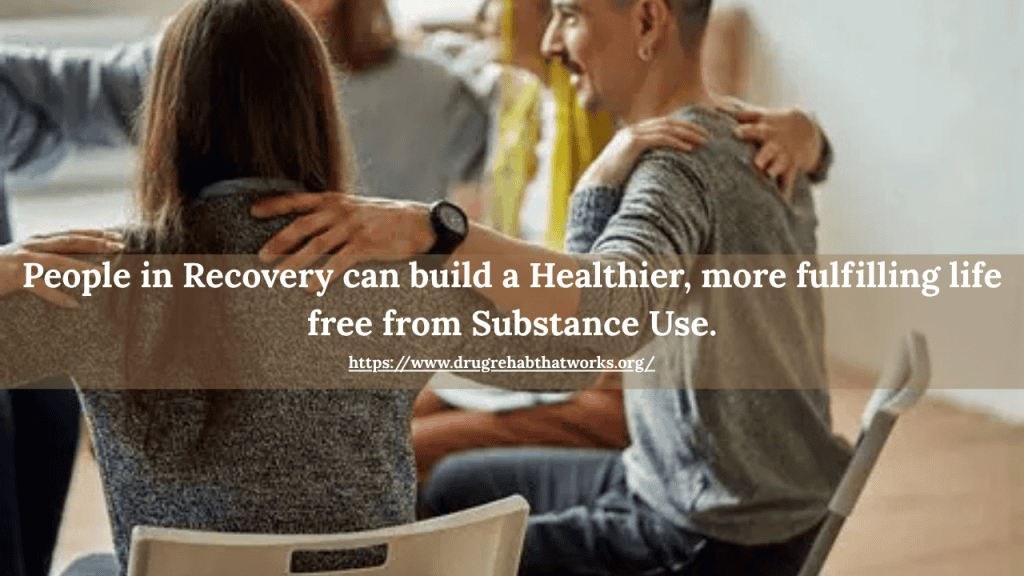
Finding freedom from addiction is not only about breaking free from physical dependence. True recovery also means addressing the emotional wounds, mental health challenges, and underlying triggers that fuel substance use. This is where therapy becomes a cornerstone of drug rehabilitation. By combining medical support with therapeutic care, individuals can experience healing for both the mind and body, building a stronger foundation for lasting sobriety.
Why Therapy Matters in Drug Rehab
Detox is often the first step toward recovery, but it is not enough to prevent relapse. Without addressing the root causes of addiction, the cycle often continues. Therapy provides a safe space to explore the emotional pain, trauma, and behavioral patterns that contribute to substance use. It helps individuals learn healthier coping mechanisms, rebuild self-worth, and develop resilience against future challenges.
Types of Therapy in Comprehensive Treatment
Individual Therapy
One-on-one counseling allows clients to work through personal struggles privately with a trained therapist. Techniques such as Cognitive Behavioral Therapy (CBT) and Motivational Interviewing help clients identify destructive thought patterns, challenge negative beliefs, and set achievable goals.
Group Therapy
Peer support is a powerful motivator in recovery. Group therapy sessions provide a sense of belonging, shared understanding, and accountability. Participants learn from each other’s experiences and develop healthy communication skills.
Family Therapy
Addiction affects entire families, not just the individual. Family therapy repairs relationships, improves trust, and equips loved ones with tools to support recovery without enabling destructive behavior.
Holistic and Faith-Based Counseling
Many find strength in spiritual growth and holistic wellness practices. Faith-based therapy integrates spiritual guidance into recovery, while holistic methods like mindfulness, yoga, and art therapy nurture emotional balance and physical well-being.
Integrating Mental Health Treatment
For those with co-occurring disorders such as depression, anxiety, or PTSD, integrated therapy is essential. Addressing both addiction and mental health together ensures that neither condition is neglected, reducing the risk of relapse and improving overall quality of life.
Choosing a Rehab That Prioritizes Therapy
When seeking treatment, look for programs that offer more than detox. A high-quality rehab center will provide licensed therapists, evidence-based practices, and a range of therapeutic options tailored to each individual. They will also include aftercare planning to ensure continued support long after formal treatment ends.
The Path to Lasting Recovery
Therapy transforms drug rehab from a short-term solution into a lifelong journey of growth and healing. By focusing on the whole person rather than just the symptoms of addiction, recovery becomes not only possible but sustainable.
If you or a loved one is ready to begin the journey toward lasting sobriety, reach out today. Healing is possible, and it starts with the right support for both mind and body.